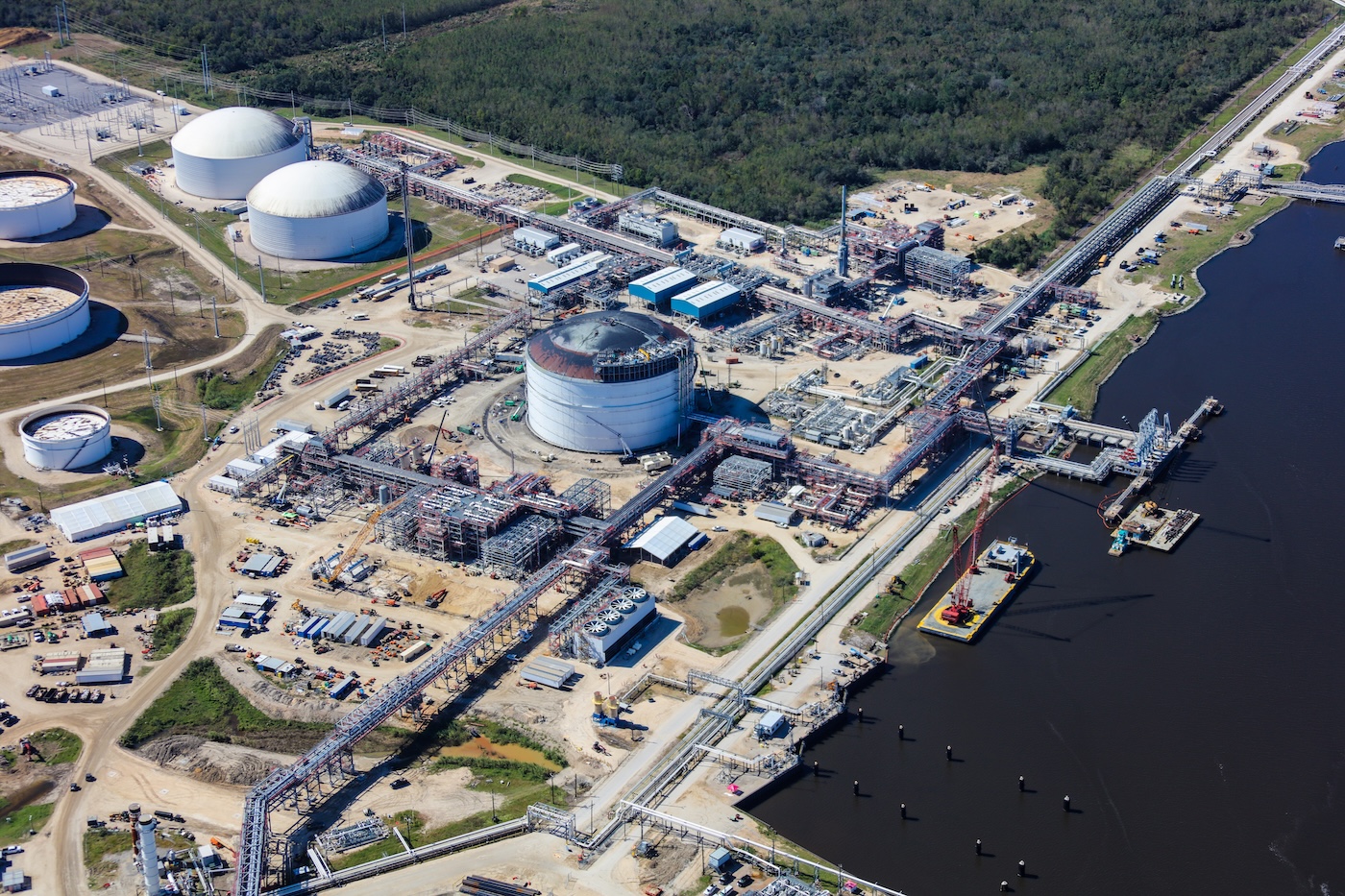
In the world of large-scale industrial development, delivering a project on time, within budget, and to specification is no small feat. Enter the EPC model — a project delivery method that has become the foundation of complex industrial projects around the globe.
Whether you are new to industrial project management or looking to understand how major process facilities like oil refineries and chemical plants are brought online, this beginner’s guide will walk you through EPC: what it is, how it works, and why it is so widely used.
What Does EPC Stand For?
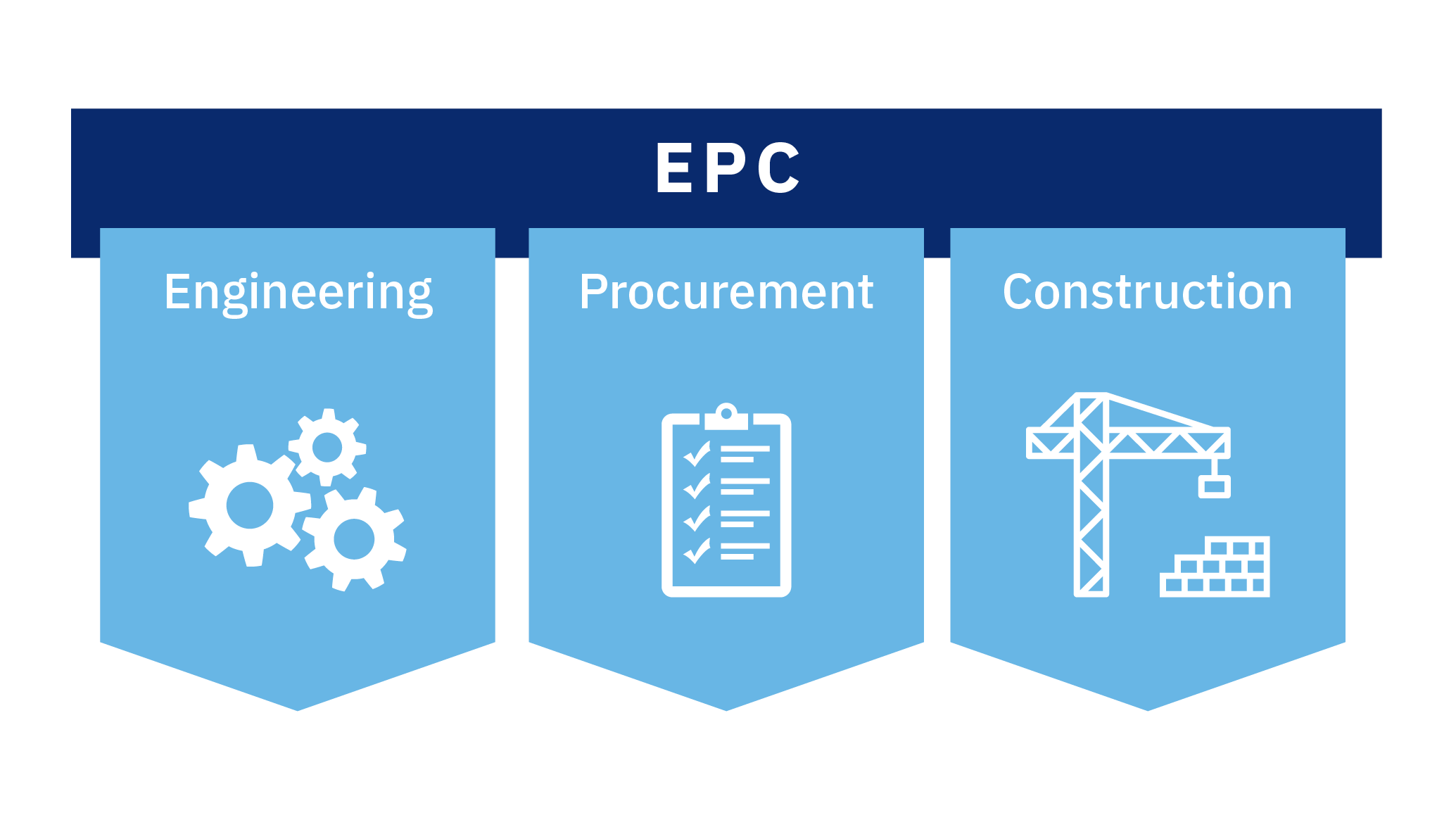
EPC stands for engineering, procurement, and construction. These are the three critical phases of a major project required under a single contract by one entity, known as the EPC contractor.
The EPC model places full responsibility for the design, supply chain and construction of a project on a single contractor, providing the project owner with sole accountability throughout the lifecycle of the project.
Advantages of EPC in Large-Scale Industrial Projects
The process of building a petrochemical plant, oil refinery, or LNG facility is a daunting challenge coordinating thousands of tasks and suppliers. For massive industrial projects, the EPC model simplifies this by:
- Streamlining and simplifying communication through one contractor
- Maintaining expected costs and schedules
- Reducing the client’s management challenges and project risk
EPC contracts are a preferred method for delivering high-stake, capital-intensive projects around the world.
Breaking Down the EPC Phases
1. Engineering
The initial phase involves transforming an idea into a detailed, buildable plan. Activities include:
- Feasibility studies and technical assessments
- Front-End Engineering Design (FEED)
- Development of detailed specifications, drawings and calculations
- Constructability reviews and modularization studies to optimize execution
The engineering phase sets the foundation for everything that follows, ensuring that the project is technically sound and economically viable.
At S&B, our engineering team supports clients through stand-alone engineering services, including constructability consulting or integrated EPC execution, depending on the client’s goals, preference, and project requirements.
2. Procurement
Once designs are finalized, the procurement phase kicks in. Procurement takes charge of:
- Sourcing materials, equipment, and subcontracted services
- Managing vendor relationships and logistics
- Analyzing complex logistics planning (heavy lifts, modularization, large envelope shipping)
- Ensuring timely delivery to the construction site
Efficient procurement is key to keeping the project on schedule and within budget.
3. Construction
The third phase is where the project takes physical shape. Responsibilities in this phase include:
- Site preparation and infrastructure setup
- Installation of equipment and systems
- Craft disciplines such as civil, structural, piping, mechanical, electrical, and instrumentation
- Commissioning and startup — making sure everything works as intended
S&B uses a direct hire model, with one of the highest industry retention rates, to ensure better control over safety, quality control until the project is complete and ready for handover.
For clients needing construction-only execution, S&B also provides flexible, standalone construction, construction management, and field services.
Benefits of the EPC Model
- Single Point of Responsibility – One contractor is accountable for the entire project, reducing confusion and improving decision-making.
- Cost and Schedule Control – Fixed-price, lump-sum EPC contracts help keep costs in check and provide predictable timelines. Reimbursable contracts allow flexibility of execution for difficult-to-define projects.
- Risk Mitigation – With the contractor taking on most of the project risk, owners are subjected to less exposure to cost overruns schedule delays.
An EPC Company Offers Even More Advantages
Whether your project requires engineering, construction-only or full EPC delivery, partnering with an experienced EPC provider offers significant advantages. Beyond the efficiencies of the EPC model, selecting an experienced EPC company like S&B delivers added value through integrated resources, streamlined communication and a commitment to accountability—strategic benefits that drive better outcomes.
- Comprehensive Resources Under One Roof
From design and procurement to construction and commissioning, EPC companies have the in-house expertise, tools and workforce to handle every aspect of the project. This eliminates having to coordinate with multiple vendors or consultants.
- Constructability Services and Modularization Expertise
S&B offers constructability reviews and modularization studies early in the project lifecycle to optimize execution and reduce cost and schedule risk.
- Flexible Engagement Models
From engineering and construction-only to full EPC delivery, S&B gives clients the freedom to choose what fits their project needs.
- One Point of Contact for Everything
With a single entity responsible for the entire project, communication is streamlined between the EPC company and its client.
- Faster Decision-Making
An EPC company can quickly respond to design changes, procurement schedules or construction challenges without waiting for external approvals.
- Accountability and Transparency
With one company responsible for the entire scope of the project, the EPC contractor owns the outcome, fostering a culture of accountability and performance.
Industries Using the EPC Model
The EPC approach is widely used in industries where large, complex infrastructure is common such as:
- Oil & Gas (e.g., offshore platforms, pipelines)
- Petrochemicals and Refining
- Chemical Processing
S&B multidisciplinary capabilities make it a trusted partner across these industries — whether delivering turnkey EPC projects or specialized scopes within them.
EPC is Ideal for Complex Projects
For industries where delays and overruns can be extremely costly, partnering with an EPC company is not just a convenience; it is a strategic necessity.
Whether you’re a project owner, stakeholder or curious newcomer, understanding the EPC model — and the advantages of working with a full-service EPC company — is key to navigating the world of industrial development.
From engineering to full EPC delivery, learn more about how S&B can support your next project at sbec.com.
.png)