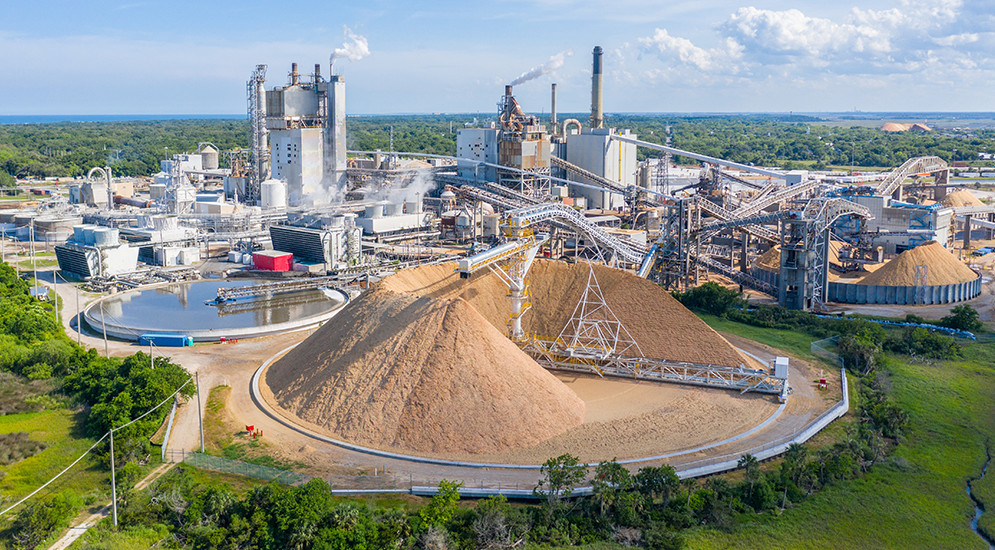
The American Forest & Paper Association’s 66th Annual Paper Industry Capacity and Fiber Consumption Survey shows an industry continuing to adapt to changing market conditions. U.S. paper and paperboard production declined 3.7% in 2025, while several sectors maintained strong operating rates, including containerboard at 91.9%.
In a challenging market, mills have little room for capital projects that miss the mark or disrupt production. Facilities must improve reliability, address aging assets and complete capital work while keeping production interruptions to a minimum. Even a small tie-in can affect operations, maintenance, safety, utilities and outage schedules.
At the same time, mills face another challenge: experienced employees are retiring and taking years of practical knowledge with them. Boston Consulting Group’s 2025 report, The Maintenance Talent Crunch in Materials Processing, points to a growing shortage of skilled maintenance technicians across materials processing industries, including pulp and paper. Much of the knowledge held by experienced mill personnel (equipment history, previous modifications, recurring issues and the reasons behind past decisions) may never have been captured in drawings or manuals.
A long-term engineering partner can help preserve that knowledge. Engineers who have worked in a mill for years know its equipment, operating constraints, project history and standards. They know what has been tried before, what worked and what created problems. Knowledge carried from one project to the next helps teams define projects more clearly, identify risks earlier and use capital better.
Mill knowledge leads to better project decisions
Knowledge of existing equipment, previous modifications and operating constraints gives project teams a stronger starting point. Engineers who have worked in the mill can bring lessons from previous projects into scope development and recognize when a proposed change could create problems elsewhere in the process.
Identifying those issues early helps owners compare alternatives, address risks and develop more realistic expectations for scope, cost and schedule before execution begins. The engineering team builds on previous work rather than relearning the facility with each assignment.
This experience can also carry across a customer’s facilities. An approach that worked at one mill may offer a starting point for another, while recurring challenges can help teams know what to look for early. As the work continues, the engineering team develops a broader understanding of the customer’s equipment, standards and project requirements.
Applying mill knowledge across multiple sites
S&B served as the primary engineering contractor for a large pulp and paper customer with more than 30 locations across the United States. Over five years, S&B evaluated more than 30 paper mills and provided Front-End Loading (FEL) packages and detailed designs for projects focused on production and fleet efficiency, roll-size capabilities and machine control systems.
S&B’s local teams worked with the customer’s corporate management team to prioritize upgrades, reduce outage time and increase production and roll-width flexibility. Engineers already familiar with the mills understood existing equipment and operating constraints. Knowledge of local vendors, contractors and costs also helped the teams develop practical scopes, estimates and designs based on actual site conditions.
The work continued as the customer identified additional needs. S&B completed detailed designs for several site upgrades and FEL 2 and FEL 3 designs and estimates, allowing lessons and facility knowledge from earlier assignments to carry into later projects.
Site knowledge helps reduce risk
Years of experience at a mill can provide information that drawings and manuals do not capture. Engineers may know why equipment was configured a certain way, which systems have caused recurring problems, where access is limited and what challenges occurred during previous projects.
That experience is especially valuable on brownfield projects and during outages. Engineers who know which systems must remain online, where construction access is limited and what problems have occurred during previous work can identify constructability issues earlier and plan around operating requirements. During a tightly controlled outage, that preparation helps the project team make better use of the limited time.
Engineering continuity also helps preserve knowledge as experienced mill personnel retire and newer employees take on greater responsibility. Engineers with years of facility experience can provide context about previous projects and design decisions, helping newer employees understand what exists in the mill and why equipment was designed or modified a particular way.
The right partner fits the mill
Alliance engineering works when the engineering partner can match its resources to the mill’s needs. A major capital project may require a large multidisciplinary team, while a maintenance upgrade or smaller capital project may need only a few engineers. The partner needs the depth to support complex projects and the flexibility to execute smaller assignments efficiently. Both types of work can affect reliability, safety and production.
A successful alliance also depends on trust and familiarity. As the mill and engineering team work together, engineers learn the facility’s standards, operating priorities and project expectations. The teams also develop clearer ways to communicate and resolve problems before they affect execution.
Then over time, the value goes beyond any single project. The engineering team carries knowledge from one assignment to the next, giving the mill access to people who already understand its facilities and operations.
S&B’s pulp and paper team supports mills across North America with capital projects and alliance engineering services. Many team members have decades of experience supporting the industry through both S&B and the former Ford, Bacon & Davis organization. S&B continues that legacy by helping mills preserve critical facility knowledge, solve problems, execute projects and plan for future needs.
.png)