De-risking power projects before you break ground.
Across Texas and the Gulf Coast, demand for new power generation is growing quickly. Developers are moving quickly and often committing to major equipment and construction decisions early to stay on schedule—but that can create challenges if construction isn’t considered at the same time.
To deliver these projects successfully, design and construction need to stay aligned from the start. When they don’t, problems often show up later—when they are harder and more expensive to fix.
The cost of delayed constructability
A common challenge in power projects is that construction gets involved too late—after key design decisions have already been made. By the time projects move through FEED or detailed design, decisions around major equipment, layout, and installation approach are largely set. At that point, teams are working around constraints instead of shaping better solutions.
That’s when issues start to surface:
- Site logistics that complicate equipment delivery and installation
- Structural or foundation requirements that make construction more difficult
- Congested layouts that slow down crews
- Sequencing conflicts that create schedule pressure
- Coordination challenges when multiple contractors are working on the same site or adjacent sites under separate scopes, increasing the potential for work interference, safety concerns and productivity losses
When these issues come up late, project teams often face difficult choices—redesign, accept added complexity in construction, or absorb schedule and cost impacts. In every case, risk increases. For developers working under tight timelines, these disruptions can quickly impact project certainty.
Bringing construction expertise into pre-FEED and FEED
When construction is involved early during pre-FEED and FEED, project teams can evaluate key decisions based on how the facility will actually be built.
Early alignment helps:
- Aligning on Priorities of Engineering Deliverables: To improve construction efficiency, engineering needs to prioritize deliverables that enable early procurement of long-lead equipment critical to the project schedule.
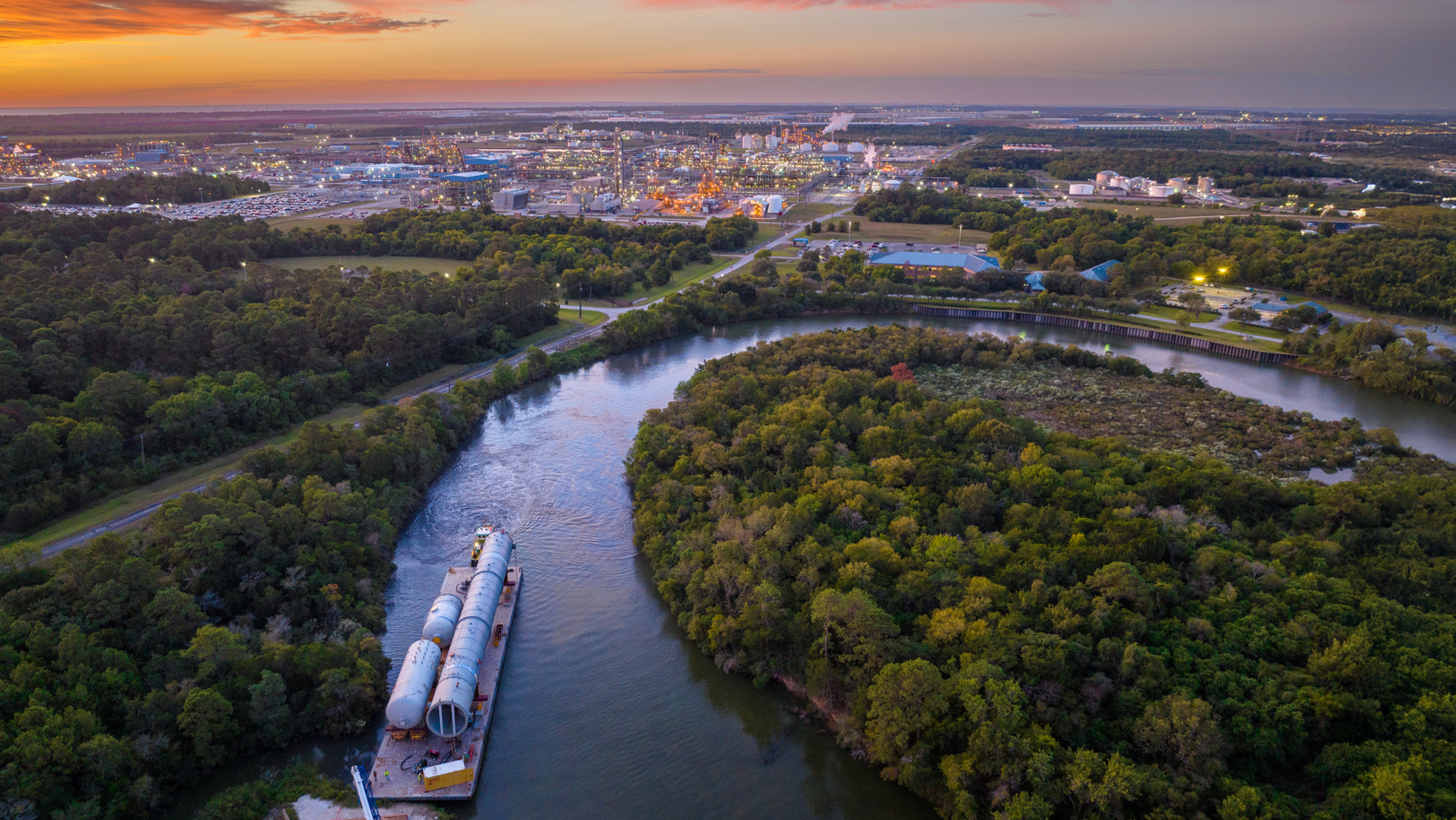
- Optimize site layouts: to ensure equipment placement, access routes and staging areas support efficient installation and minimize congestion during peak construction activity.
- Improve installation planning: with realistic crane locations, lift paths and module installation approaches.
- Build executable plans: based on how the work will be performed.
- Reduced field rework: by resolving issues before they reach the field.
It lets teams plan their workforce earlier, an important advantage in today’s tight labor market. By aligning the right people and sequencing the work the right way – labor matches the actual plan, crews are better prepared for the work ahead, and productivity is more consistent.
Selecting the right construction partner
At S&B, constructability is built into how we plan and execute from the start. Whether supporting early engineering, delivering integrated EPC projects, or executing construction in the field, we bring a consistent focus on how the work will get built. That means looking at layout, installation, sequencing, and staffing early—before they become constraints.
For power developers, a construction-led approach helps projects move from design to execution with greater confidence and control. Bringing construction expertise in early—during engineering and planning—helps reduce risk, avoid surprises and keep projects on schedule.
See how S&B partners with clients to deliver power projects. To learn more about how workforce challenges are shaping power project delivery, read Part 1 of our Power Series: Solving Power’s Labor Crunch.