Why the direct-hire construction model gives power projects a competitive advantage.
Power demand is rising rapidly across Texas and the U.S. Gulf Coast. Data center expansion and continued industrial growth are driving a new wave of power generation projects, particularly gas-fired facilities. According to a recent JLL report, Texas now accounts for more than one-third of the nation’s data center construction pipeline—a clear signal of the scale of new electricity demand coming online.
As developers push these projects forward, one constraint continues to shape project outcomes: access to skilled construction labor at scale.
For contractors who build complex energy and industrial facilities, this challenge isn’t new. At S&B, we see it across petrochemical expansions, midstream infrastructure and other large industrial projects as well—many of which compete for the same experienced craft workforce now needed to deliver power generation projects.
For power developers, the question becomes clear. How do project teams secure the workforce needed to execute with certainty? The answer often lies in selecting the right construction partner.
The advantage of direct-hire construction
For power projects moving into construction execution, workforce strategy is a core risk consideration. Experience across large industrial builds shows that projects with greater workforce control tend to perform more consistently when labor markets tighten.
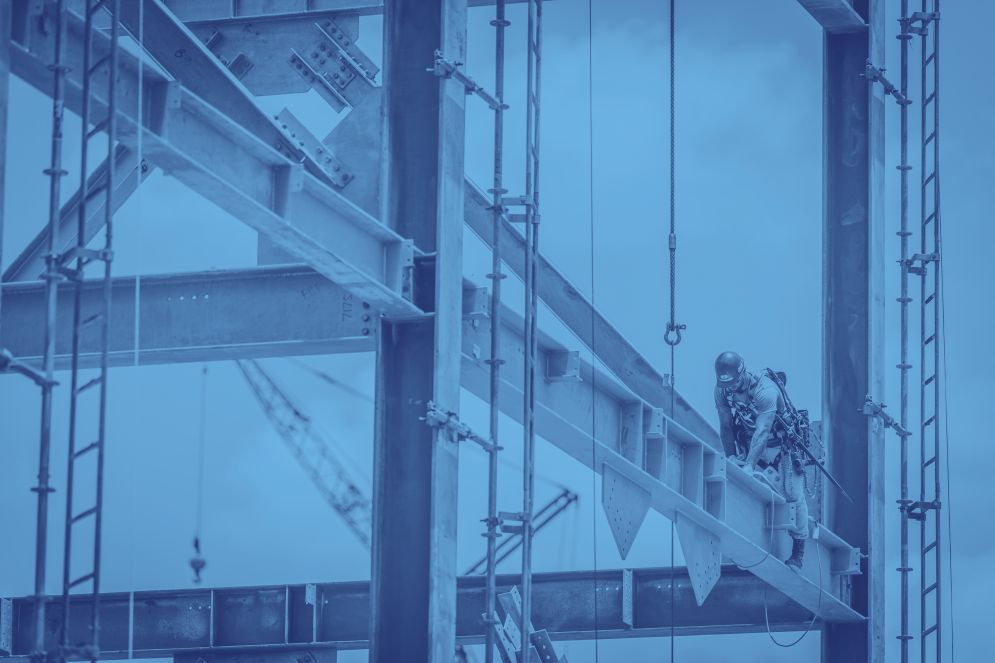
Partnering with a construction firm that uses a direct-hire model gives project teams greater control over workforce availability and field performance. Instead of relying primarily on subcontracted labor, a direct-hire construction firm recruits, hires and manages craft professionals directly. This model offers several advantages for large power projects.
Workforce certainty: With a direct-hire workforce strategy, project teams can build labor pipelines in advance and scale up as demand increases. This proactive approach helps mitigate the risk of labor shortages during peak construction periods.
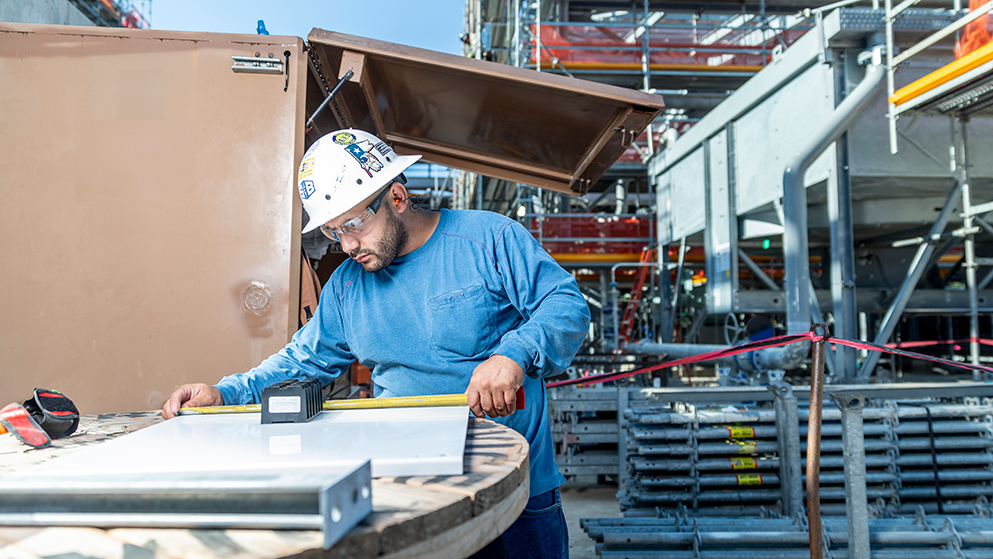
Consistent safety culture: Power generation projects demand safe, stable and reliable field work execution. A direct-hire workforce operates within a unified safety program, ensuring that expectations, training and accountability remain consistent across the jobsite and project. Within heavy industrial construction, the systematic integration of Human and Organizational Performance (HOP) principles into contractor-led safety programs is rare. At S&B, these principles are embedded into our management approach and field work processes. From new hire orientation on, craft employees are taught HOP concepts and how to use error reduction tools during planning and task execution. We focus on understanding how systems and conditions influence human decision-making and focus on building capacity and error tolerance into work processes rather than on compliance and enforcement. This approach helps project teams develop a shared understanding of risk, adapt more effectively in the field, and achieve consistently safe and reliable outcomes on complex projects.
Higher productivity: Directly employed craft professionals operate within standardized processes and established field leadership structures. This alignment improves efficiency and reduces the productivity variability often seen with fragmented subcontractor teams.
Schedule reliability: When projects control the workforce, they can adjust staffing levels, sequencing and work plans more effectively. That flexibility becomes critical when projects face compressed schedules or shifting construction priorities.
Power construction, proven at industrial scale
For companies entering or expanding in the power market, the ability to deliver skilled labor at scale is critical. Power generation projects share many of the same execution challenges as large industrial facilities: labor-intensive scopes, strict safety requirements, complex sequencing and high consequences for schedule disruption.
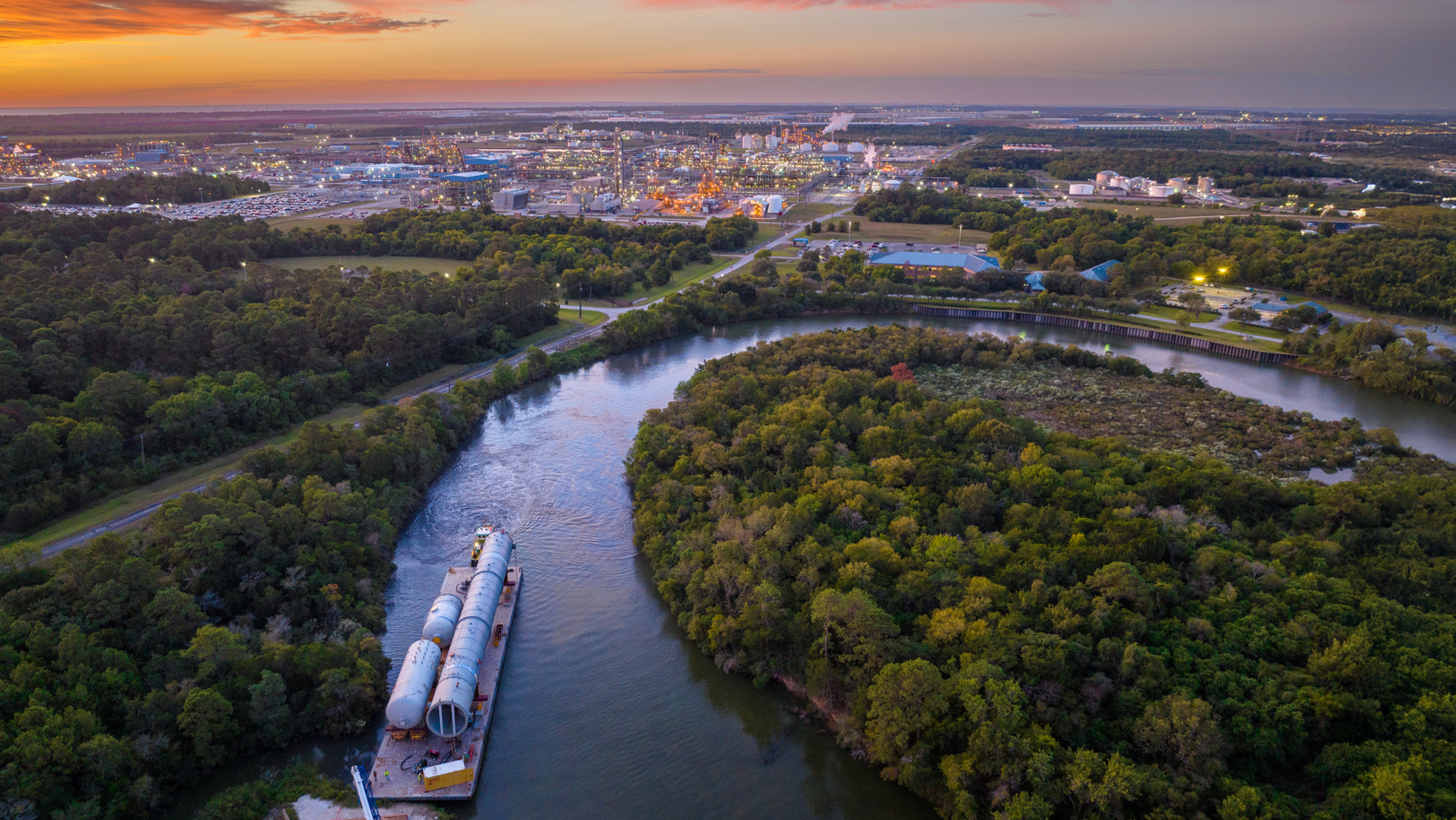
S&B brings vast experience delivering some of the Gulf Coast’s largest and most complex industrial construction projects to life. These projects, from large petrochemical facilities to modern gas-fired power generation, all demand workforce planning discipline, field leadership and safety rigor, particularly in a constrained labor market.
Large-scale capital projects executed during the COVID-19 pandemic brought heightened awareness to the importance of workforce strategy in delivering predictable outcomes. Across the industry, project teams faced unprecedented challenges, from labor disruptions and evolving health and safety requirements to severe weather-related impacts, often occurring simultaneously.
Projects that were able to maintain greater continuity in their field workforce generally proved more resilient under these pressures. In particular, direct-hire construction models allowed teams to preserve productivity, apply safety standards consistently and adapt workforce plans as conditions changed. Those same dynamics—tight labor markets, heightened safety expectations and the need for schedule reliability—continue to shape power generation projects today.
As power developers advance new gas-fired generation, a strong workforce strategy will increasingly influence project risk and predictability. For owners and engineering firms operating in a constrained labor market, selecting a construction partner with a proven direct-hire model and experience delivering complex, labor-intensive projects, can provide the certainty needed to keep projects on schedule, on budget and safely executed.
For more on S&B’s power work, visit here.